Investing in Coastal Properties in South Africa: Opportunities with Prime Harbor Estates
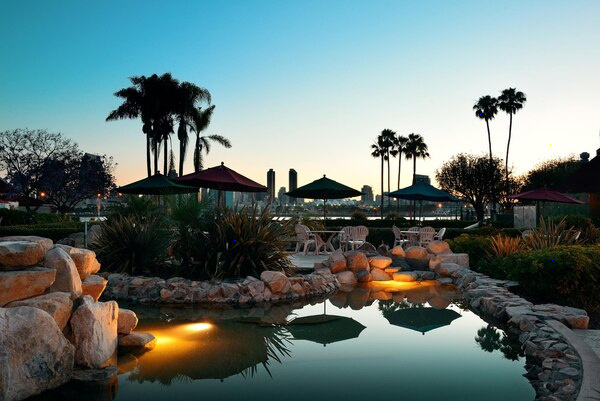
Investing in South Africa’s coastal real estate has become increasingly attractive to both local and international buyers. With growing demand for lifestyle properties, a strong tourism sector, and limited prime shoreline, quality coastal assets have the potential to deliver a compelling combination of capital appreciation, rental yields, and lifestyle value. Within this landscape, Prime Harbor Estates stands out as a specialist in sourcing and managing high‑potential coastal investments.
Below is an overview of why South Africa’s coast is drawing investors, what risks and fundamentals to consider, and how working with a focused provider such as Prime Harbor Estates can help you build a resilient, income‑producing portfolio.
Why Coastal Property in South Africa?
1. Strong Lifestyle and Migration Trends
Post‑pandemic lifestyle shifts have driven many professionals, entrepreneurs, and retirees to seek ocean‑adjacent living and remote‑work–friendly environments.
Key drivers:
- Semigration from inland cities (e.g., Johannesburg and Pretoria) to coastal hubs such as Cape Town, the Garden Route, and KwaZulu‑Natal North Coast.
- Remote and hybrid work models , enabling buyers to prioritize lifestyle over proximity to traditional CBDs.
- Climate and scenery , which make the coast a long‑term magnet for both domestic and foreign buyers.
These structural trends underpin ongoing demand for well‑located coastal apartments, townhouses, and freestanding homes.
2. Tourism and Short‑Term Rental Demand
South Africa remains one of Africa’s most visited destinations, with coastal regions attracting a large share of tourism.
For investors, this creates:
- Short‑term rental opportunities (Airbnb, Booking.com, and local platforms) in holiday hotspots.
- Seasonal yield spikes during local school holidays, Easter, and the December–January peak season.
- Dual‑use potential : properties can serve as personal holiday homes and income‑generating assets when not occupied.
Coastal properties positioned near beaches, marinas, and entertainment areas can often outperform purely residential inland rentals on a yield basis, especially when professionally managed.
3. Limited Supply of Prime Shoreline
The most desirable coastal land is finite. Environmental regulations, zoning restrictions, and physical geography limit large‑scale new development directly on the shoreline or with unobstructed sea views.
Over time, this scarcity can support:
- Stronger capital growth in prime coastal nodes compared to more elastic inland markets.
- Resilience during downturns , as well‑located coastal homes typically retain buyer interest even in softer cycles.
- Premium pricing for properties that combine direct beach access, views, and modern finishes.
Risks and Considerations in Coastal Investing
While coastal property can be rewarding, it comes with specific risks that investors must factor into their strategies.
1. Exposure to Elements and Maintenance Costs
Marine environments are harsh:
- Salt‑laden air accelerates corrosion on metal fixtures, railings, and exterior fittings.
- High winds and humidity can affect roofs, paintwork, and timber elements.
- Insurance requirements may be more stringent in certain high‑exposure zones.
Investors should:
- Budget realistically for ongoing maintenance .
- Prioritize quality construction and finishes designed for coastal conditions.
- Review body corporate or homeowners’ association (HOA) maintenance plans in sectional title schemes.
2. Market Cycles and Seasonality
Coastal markets can be:
- Highly seasonal , with strong demand in summer and weaker off‑peak periods.
- More sensitive to tourism flows and travel restrictions than purely residential inland markets.
- Influenced by foreign exchange rates , as a weaker rand often attracts more foreign buyers and visitors.
An effective investment strategy acknowledges:
- The need for conservative occupancy assumptions over the full year.
- Potential cash‑flow volatility in short‑term rental–driven properties.
- The value of diversifying across coastal nodes and property types.
3. Regulatory and Local Factors
Investors should be aware of:
- Zoning rules governing short‑term letting in certain municipalities.
- Environmental regulations affecting building, renovations, and shoreline protection.
- Body corporate / HOA rules that may restrict certain uses or renovations.
Professional guidance can help pre‑screen properties and ensure that investment strategies align with existing regulations.
Prime Coastal Nodes in South Africa
While South Africa has an extensive coastline, several regions consistently attract investor interest due to their infrastructure, amenities, and lifestyle appeal.
Western Cape
- Cape Town Atlantic Seaboard & City Bowl : High‑end apartments and villas, strong tourism demand, limited supply. Typically higher entry prices but strong long‑term fundamentals.
- Bloubergstrand & West Coast : Popular with kite‑surfers and digital nomads; growing residential developments, relatively more accessible price points.
- Garden Route (Mossel Bay, George, Wilderness, Knysna, Plettenberg Bay) : Family holiday destinations with a mix of retirement estates, golf communities, and holiday apartments.
KwaZulu‑Natal North Coast
- Umhlanga, Umdloti, Ballito, and surrounds : Strong semigration destination; new residential and mixed‑use developments; convenient access to King Shaka International Airport.
- Attractive for both primary residences and short‑ to medium‑term rentals .
Eastern Cape and Others
- Jeffreys Bay, St Francis Bay, Port Alfred, East London areas : Often lower price points with solid lifestyle appeal and growing remote‑work communities.
- Potential for value‑oriented investors willing to take a medium‑ to long‑term view.
What to Look for in a Coastal Investment Property
Before focusing on a specific provider or development, it helps to clarify general criteria for evaluating coastal opportunities.
Location Fundamentals
- Proximity to the beach (walking distance is ideal).
- Access to amenities : shops, schools, hospitals, restaurants, and transport routes.
- Demand drivers : Are tenants likely to be tourists, local professionals, students, or retirees?
- Infrastructure quality : roads, public services, fibre internet availability, and security.
Property Type and Configuration
- Apartments and sectional title units : Typically lower maintenance, shared amenities, and professional management. Often preferred for short‑term rentals.
- Townhouses and gated estates : Balance of space, security, and community facilities; attractive to families and long‑term tenants.
- Luxury villas and beachfront homes : Higher capital outlay, potentially higher nightly rates and capital growth, but require robust management.
Property configuration should reflect target tenants or buyers:
- Studios and 1‑bed units for short‑term tourists or young professionals .
- 2–3‑bed units for families, digital nomads, and longer‑term renters .
- Larger homes for multi‑generational holidays or executive rentals .
Income and Yield Analysis
Investors should assess:
- Historical and projected occupancy rates .
- Average nightly and seasonal rates (for short‑term rentals) or long‑term monthly rentals.
- Operating expenses , including levies, rates, insurance, utilities, and maintenance.
- Net yield (after costs) rather than just gross yield.
Professional operators like Prime Harbor Estates can provide data‑driven projections based on comparable properties and regional performance indicators.
Opportunities with Prime Harbor Estates
Prime Harbor Estates specializes in identifying, structuring, and managing coastal property investments across South Africa’s most promising shoreline markets. For investors who want exposure to coastal assets without managing every detail personally, this type of partnership can be especially valuable.
1. Targeted Market Research and Site Selection
Prime Harbor Estates focuses on:
- Macro and micro‑market analysis , selecting regions with strong long‑term demand drivers (semigration, tourism, infrastructure projects).
- Node‑level selection , zooming in on neighbourhoods with proven track records of rental demand and capital growth.
- Careful due diligence on environmental, zoning, and market risks.
This research‑driven approach aims to filter out speculative or weak locations, focusing instead on resilient, income‑capable assets.
2. Curated Portfolio of Coastal Properties
Rather than promoting every available listing, Prime Harbor Estates curates a selection of:
- Completed units in high‑quality developments with established track records.
- Strategic off‑plan opportunities where pricing and demand fundamentals are compelling.
- Mixed‑use and resort‑style projects that combine residential, hospitality, and retail elements to support diversified income streams.
Curated portfolios allow investors to choose from assets aligned with their specific goals: income focus, capital growth, lifestyle usage, or a blend.
3. End‑to‑End Investment Support
Investing in property involves multiple stages. Prime Harbor Estates provides assistance across the full lifecycle:
- Acquisition support : property sourcing, comparative analyses, and offer strategy.
- Legal and transactional coordination : working with conveyancers and advisers familiar with coastal regulations and local market practices.
- Financing guidance : introducing investors to banks and lenders with experience in coastal property financing.
This reduces friction, especially for first‑time buyers or international investors less familiar with South African processes.
4. Professional Rental and Asset Management
For investors seeking income, the quality of management is often as important as the choice of property.
Prime Harbor Estates typically:
- Manages short‑ and medium‑term rentals , including marketing, guest vetting, dynamic pricing, check‑in / check‑out, and housekeeping coordination.
- Oversees maintenance and inspections tailored to coastal conditions to protect asset value.
- Provides transparent reporting , covering occupancy, revenue, expenses, and net returns.
This professional management aims to:
- Enhance occupancy and yields .
- Reduce vacancy risk and revenue volatility .
- Free investors from the day‑to‑day operational burden.
5. Risk Management and Long‑Term Strategy
Prime Harbor Estates’ coastal focus enables a more nuanced approach to risk:
- Conservative revenue assumptions , particularly for seasonality and off‑peak periods.
- Strategic diversification across regions and property types , where appropriate.
- Ongoing portfolio reviews to identify refinance opportunities, value‑add renovations, or the optimal timing of exits.
By actively managing risk, the objective is to build portfolios that can withstand shifting tourism patterns, regulatory changes, or broader economic cycles.
Who Coastal Investments with Prime Harbor Estates May Suit
This type of investment can be suitable if you:
- Want tangible, real‑asset exposure with the potential for both income and capital growth.
- Value the lifestyle option of personal use while keeping the property income‑producing for the rest of the year.
- Prefer professional oversight rather than self‑managing rentals, maintenance, and compliance.
- Seek geographic diversification from inland property holdings or international portfolios.
It may be less suitable if you:
- Need immediate, guaranteed cash flows without tolerance for seasonal fluctuations.
- Are unwilling to accept property‑specific risks , such as localized oversupply or regulatory shifts.
- Prefer fully passive paper assets (e.g., bonds, listed equities) with daily liquidity.
Practical Steps for Prospective Investors
For those considering working with Prime Harbor Estates or similar coastal specialists, a structured approach can help:
-
Clarify your objectives
- Income vs capital growth vs lifestyle access.
- Investment horizon (e.g., 5, 10, or 15+ years).
- Currency considerations if you are an international investor.
-
Define your budget and financing strategy
- Cash purchases vs mortgages.
- Contingency reserves for vacancies and maintenance.
-
Engage with a specialist
- Request detailed market reports and sample projections from Prime Harbor Estates.
- Ask for case studies showing actual performance of existing coastal properties under management.
-
Conduct due diligence
- Review title deeds, zoning, HOA rules, and levy structures.
- Inspect building quality or rely on independent inspections and reports.
- Evaluate rental assumptions against independent market data.
-
Plan for management and exit
- Confirm management fees, services, and reporting standards in writing.
- Outline a preliminary exit strategy , including target return thresholds and likely holding period.
Conclusion
South Africa’s coastal property markets offer a blend of lifestyle appeal, finite prime land, and resilient demand that, when approached strategically, can yield compelling investment outcomes. At the same time, the unique characteristics of coastal environments—maintenance exposure, seasonality, and regulatory nuances—make knowledgeable, hands‑on management essential.
By combining localized market research, curated property selection, and professional asset and rental management, Prime Harbor Estates provides a structured pathway into this asset class. For investors seeking to convert scenic coastlines and thriving seaside communities into long‑term, income‑producing portfolios, partnering with a dedicated coastal specialist can significantly enhance both confidence and outcomes.